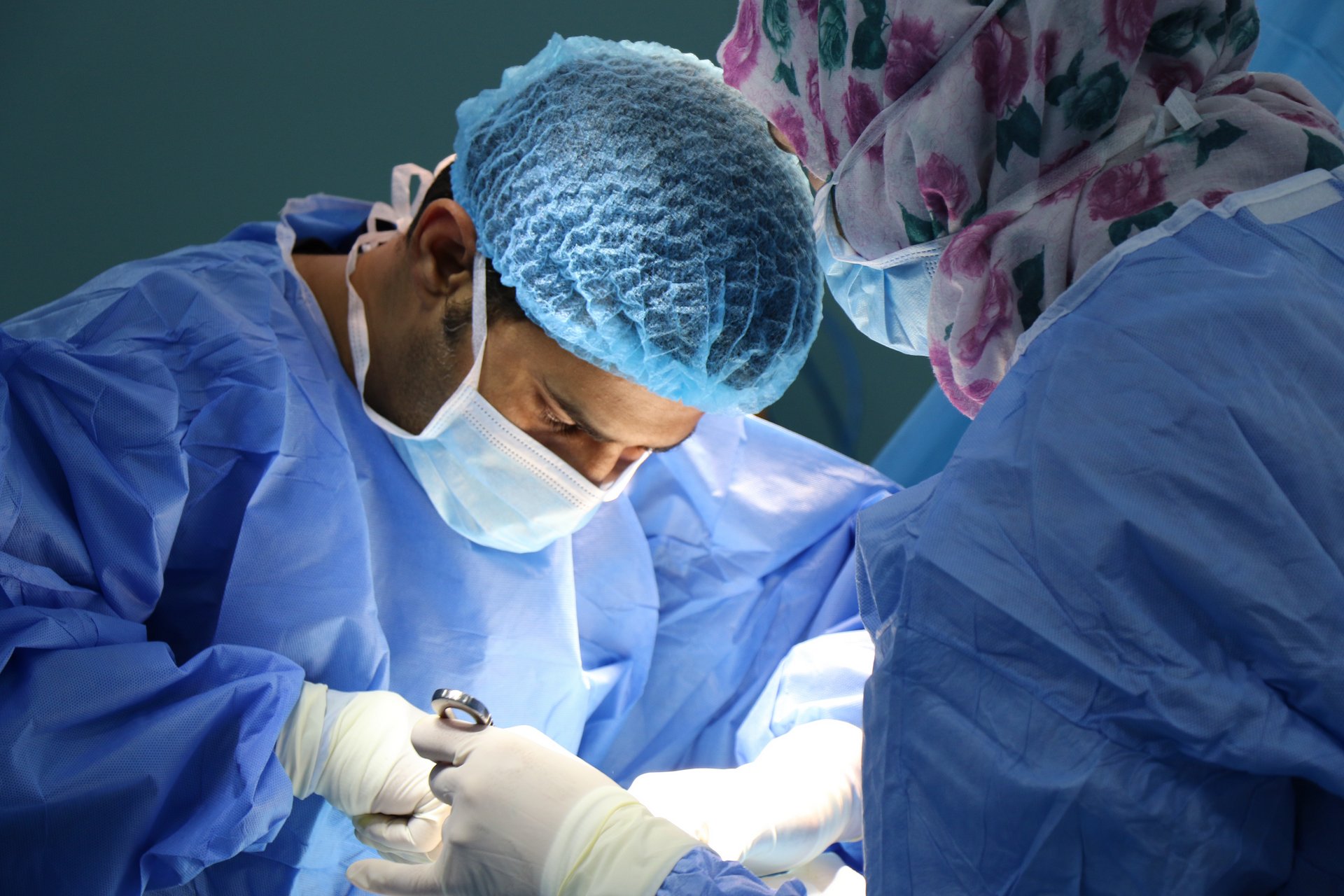
Orthopedic surgery is sometimes a medical necessity – it's the only thing that will eventually get you back on your feet. But it is still physically taxing, and recovery can be lengthy and painful. So patients who need surgery for orthopedic injuries are justified in feeling anxious about it. An important way to make the process easier is seeking pre- and post-operative physical therapy.
Schedule an appointmentThe purpose of pre-operative physical therapy is to get a patient more ready for surgery. Of course, this can mean meeting a large number of needs. The better physically and mentally prepared you are for an operation, the better your outcome will be.
If you're going in for any surgery that will require post-operative physical therapy, pre-operative PT will benefit you. Partial and total joint replacements, stress fractures, tendinitis surgery, and meniscus repairs are a few examples of these types of operations.
Physical therapy as part of pre-operative care can make joints more flexible, meaning it'll be easier to return to regular movement after surgery. It can also improve circulation at the targeted area of the body, which goes a long way in the healing process.
Post-operative physical therapy aims to get a patient who's undergone surgery healed and back to their regular level of functioning. A physical therapist will help a patient who needs post-operative PT to cope with pain, rebuild muscle and joint strength and stability, and overall assist in their recovery.
We specialize in physical therapy care following total hip and knee replacements, arthroscopic repairs, bone fracture repairs, and surgery for intervertebral disc issues, among many others. Our physical therapists understand that following your surgery, you want and need to be mobile. We'll come up with a customized plan for your needs that may include isometric exercises, gait training with assistive devices, assistance in standing, sitting, and movement, and other interventions that may be right for you.
How do we treat patients pre- & post-surgery?
After a thorough evaluation by a physical therapist, goals will be set to minimize the adverse effects of surgery such as pain and swelling as well as to restore normal movement, flexibility and function. The therapist and patient will work together to establish functional goals related to resuming normal activities of living as well as preventing an injury from recurring. The therapist will then design an exercise program tailored specific to the patient’s needs and abilities, and work.
Therapy is often divided into distinct phases. The first comes immediately after surgery when the body part may be immobilized while pain and swelling subside. Then comes a series of progressively challenging exercises to restore range of motion, stability, and strength. The final goal is to return the patient to a pre-injury activity level. Post-operative treatments may specifically include:
created with
Website Builder Software .